
Cat Diet Chart: A Complete Guide to Healthy Feline Nutrition
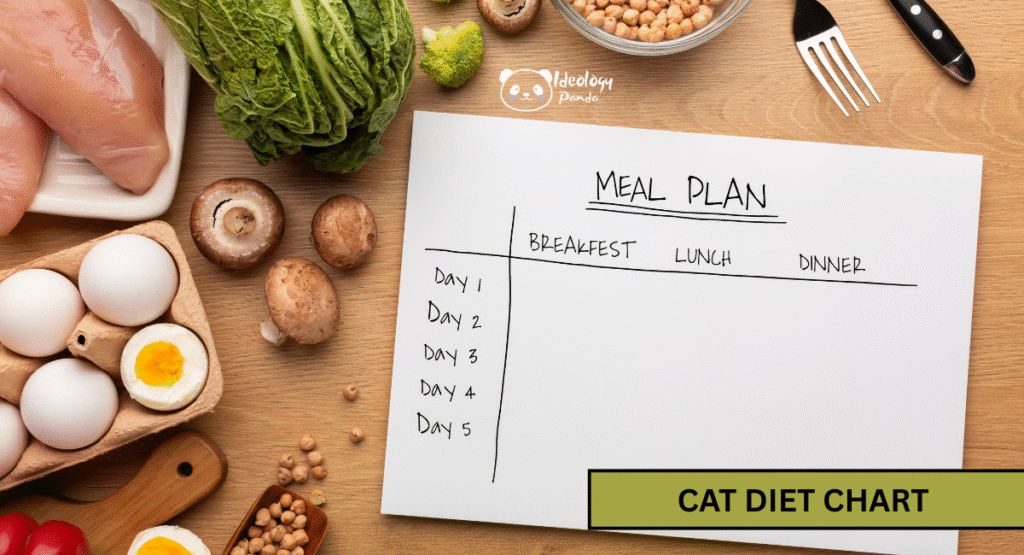
A cat diet chart is one of the most valuable tools for any cat owner who wants to keep their feline healthy, active, and happy. Since cats are obligate carnivores, their bodies are built to thrive on animal-based proteins. However, feeding a cat involves more than just meat. A balanced diet must include proteins, fats, vitamins, minerals, and proper hydration. With a well-planned cat diet chart, you ensure your cat receives everything it needs according to its age, weight, and lifestyle.
This guide explains how to build an effective feeding plan, understand nutritional requirements, and create both commercial and homemade meal charts for your pet.
Understanding a Cat’s Nutritional Needs
Before designing any feeding plan, it’s important to understand the nutritional pillars that support feline health. Cats have unique needs that differ from dogs and humans.
1. Protein
Protein is the foundation of every healthy feline meal. Cats need amino acids such as taurine and arginine, found only in animal proteins. Sources like chicken, turkey, fish, beef, and lamb should make up at least 30–40% of an adult cat’s diet and even more for growing kittens.
2. Fats
Healthy fats act as a powerful energy source and support skin, coat, and brain function. Good sources include fish oil, chicken fat, and flaxseed. These fats also help your cat absorb essential vitamins.
3. Carbohydrates
Cats don’t require carbs, but small amounts can aid digestion and provide energy. Options such as rice, pumpkin, oats, and sweet potatoes should be used sparingly, especially for overweight or diabetic cats.
4. Vitamins & Minerals
These support vision, bone strength, metabolism, and immune health. Commercial foods usually contain balanced levels, but homemade meals require careful planning to avoid deficiencies.
5. Water
Hydration is a crucial but often overlooked part of a healthy feeding routine. Cats naturally drink less water, so adding wet food or offering multiple water bowls helps prevent urinary issues.
Cat Diet Requirements by Age
Cats need different nutrients at every stage of life. A structured, age-specific cat diet chart ensures proper development and long-term health.
Kittens (0–12 months)
Kittens grow rapidly and require high levels of protein, fat, and calories.
Ideal Nutrient Breakdown:
- Protein: 40–50%
- Fat: 20–25%
- Meals: 3–4 per day
Sample Chart:
- Breakfast: Wet kitten food (chicken + rice)
- Lunch: Small portion of boiled fish
- Dinner: Kitten dry food softened with warm water
- Treat: Soft, easily digestible treats
DHA-rich foods support brain and eye development.
Adult Cats (1–7 years)
Adult cats require balanced nutrition and proper portion control.
Ideal Nutrient Breakdown:
- Protein: 30–40%
- Fat: 10–20%
- Carbs: Minimal
- Meals: 2 per day
Sample Chart:
- Morning: ¼ cup dry cat food
- Evening: Wet food made with tuna or chicken
- Treats: Egg, cooked chicken strips, or a small fish piece
Indoor cats may need fewer calories due to low activity levels.
Senior Cats (7+ years)
Older cats need softer, moisture-rich foods to support digestion and kidney health.
Ideal Nutrient Breakdown:
- Protein: 25–35%
- Fat: 10–15%
- High moisture content
- Supplements: Omega-3 and joint support
Sample Chart:
- Morning: Wet food with soft vegetables
- Evening: Senior dry food or easily chewable kibble
- Add-ons: Salmon oil or glucosamine supplements
Adjust calories based on activity, mobility, and medical needs.
Homemade Meal Guide
Many cat owners prefer homemade meals for freshness and ingredient control. A balanced DIY meal plan should be structured carefully.
Homemade Nutrient Breakdown:
- 70–80% protein (chicken, turkey, fish, beef)
- 10–15% healthy fats
- 5–10% fiber-rich vegetables
- Optional grains such as rice or oats
Homemade Cat Diet Sample:
| Meal | Ingredients | Benefits |
|---|---|---|
| Breakfast | Boiled chicken + rice | High protein, easy to digest |
| Lunch | Steamed fish + vegetables | Omega-3 support for skin and coat |
| Dinner | Minced turkey + pumpkin | Great for digestion |
| Snack | Cooked egg or cheese cube | Occasional treat only |
Important:
Homemade meals must include added taurine and other essential nutrients. Always consult a vet before switching to a fully homemade diet.
Wet vs. Dry Food
Both wet and dry foods have their own benefits, and most cats thrive on a combination.
Wet Food Benefits
- High moisture
- Supports urinary health
- Ideal for senior cats
- More flavorful and digestible
Dry Food Benefits
- Good for dental health
- Easy to store and serve
- Affordable and long-lasting
Ideal Feeding Method
Most vets recommend feeding wet food in the morning and dry food in the evening for maximum hydration and balanced nutrition.
Weight Management Guide
Weight problems are common in indoor cats. A well-planned feeding schedule can help maintain a healthy weight.
| Cat Weight | Dry Food per Day | Calories per Day |
|---|---|---|
| 2–3 kg | 40–50 g | 150–200 kcal |
| 4–5 kg | 60–70 g | 200–250 kcal |
| 6–7 kg | 80–90 g | 250–300 kcal |
If your cat gains or loses weight too quickly, adjust portion sizes and increase playtime.
Special Medical Diets
Some cats require customized meals depending on their health issues:
- Obesity: High-protein, low-calorie diet
- Kidney Disease: Low-protein, low-phosphorus, moisture-rich meals
- Diabetes: High-protein, low-carb meals
- Allergies: Hypoallergenic or limited-ingredient diets
Always follow your vet’s prescription for medical diets.
Essential Feeding Tips
- Feed at the same time every day
- Avoid raw meat unless approved by a vet
- Keep water bowls clean and full
- Never feed onions, garlic, grapes, or chocolate
- Monitor weight and adjust meals accordingly
- Schedule regular vet visits
Conclusion
A well-planned cat diet chart plays a major role in ensuring your feline enjoys a long, healthy, and active life. By understanding essential nutrients such as proteins, healthy fats, vitamins, minerals, and hydration, you can create a feeding routine that truly supports your cat’s overall well-being. Using an age-appropriate, portion-controlled approach helps prevent obesity, digestive problems, and nutrient deficiencies. A balanced mix of wet and dry food also supports hydration, dental health, and consistent energy levels. Whether you rely on commercial food or thoughtfully prepared homemade meals, make sure each option aligns with your cat’s individual needs. Regular vet visits, weight monitoring, and timely adjustments to the cat diet chart ensure your cat continues to thrive. With mindful feeding habits and proper nutrition, you give your feline companion the best chance at a longer, happier, and healthier life.